
TL;DR
For a sound and light alarm, the specs that matter are the sounder output for audibility in noise, the supply voltage range so it matches the vehicle circuit, the waterproof rating for outdoor mounting, and the control input so a truck, bus or worksite machine can trigger it.
What is a vehicle sound and light alarm? It is an integrated audible sounder and flashing visual beacon that warns people around a vehicle or worksite about reversing, loading, movement or another hazard. Choosing the right unit is about matching its electrical and mechanical specs to the vehicle and control system, not buying the loudest unit.
This guide covers the specs that decide whether an alarm actually works in your application.
What the unit combines
A sound and light alarm couples:
- An audible sounder to be heard in engine and worksite noise.
- A flashing LED beacon to be seen at a distance and in low light.
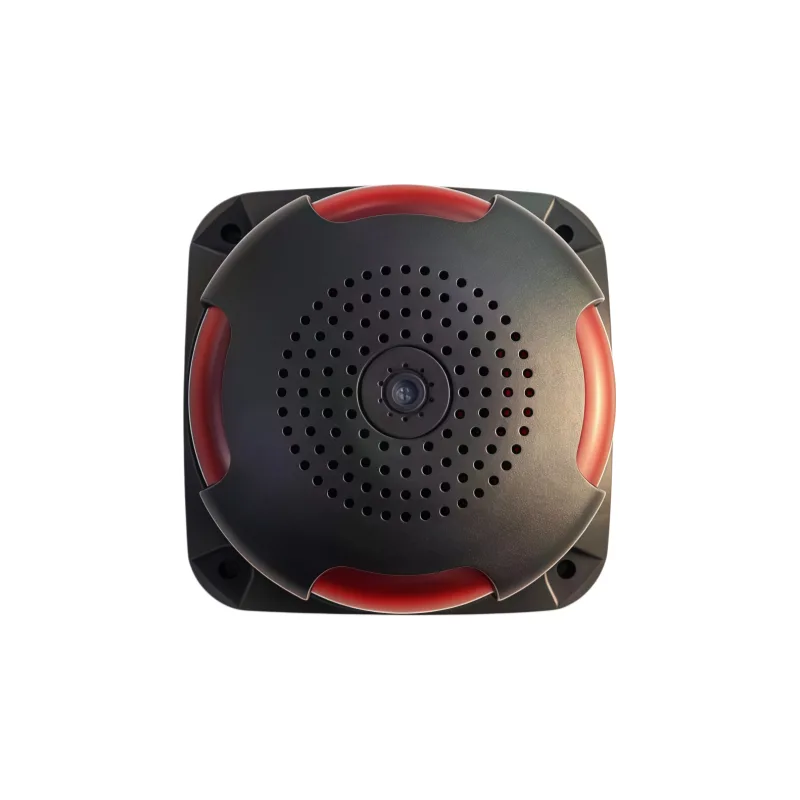
Together they catch both hearing and sight, which is why they are preferred for reversing and loading warnings. The YUNTOR X138 family is an integrated audible-visual alarm line for such use.
The specs that matter
Sounder output and audibility
The sounder’s job is to be heard over surrounding noise. Confirm the output power suits where the alarm mounts and how far it must carry. The YUNTOR X138 family pairs an audible sounder with flashing LED modules for daytime and night visibility.
Supply voltage range
Commercial vehicles and machines differ — 12V light trucks, 24V buses, heavy equipment with heavy voltage swings. A wide-input unit covers both 12V and 24V systems, so one alarm works across a mixed fleet. Confirm the alarm’s rated voltage range matches your vehicle circuit before ordering.
Waterproof rating
For outdoor, wash-down, all-weather mounting, use a high ingress rating. The X138 family carries IP69 — resistant to dust, water jets and pressure wash-down — suitable for the exposed surfaces of trucks, buses and machines.
Control input
The alarm must be triggered by the system that owns the event:
- Serial interfaces such as RS485 let a recorder, terminal or controller command the alarm.
- Digital IO gives a simple high/low trigger for reversing, loading or hazard events.
Match the control input to the host so the alarm fires at the right moment, not all the time.
Quick reference
| Spec | What to check | X138-family example |
|---|---|---|
| Sounder | Audible output for your noise level | Integrated sounder + LED beacon |
| Beacon | Flashing visibility day/night | LED modules |
| Voltage | Matches 12V/24V vehicle circuit | Confirm rated range |
| Protection | Outdoor all-weather mount | IP69 |
| Control | Serial or IO to the host | RS485 |
Choosing for your application
- Confirm sounder output carries over your worksite or traffic noise.
- Match voltage range (wide-input covers mixed fleets).
- Check waterproofing for the mounting surface.
- Verify the control input matches the recorder or terminal that must trigger it.
YUNTOR builds audible-visual alarms and complementary vehicle-safety hardware on self-developed boards with low-MOQ OEM/ODM options, including the RS485 X138 alarm. Alarms are usually specified together with reversing cameras or a 360° AVM system so drivers see and nearby workers hear the same manoeuvre, often as part of a construction machinery safety setup. Contact our engineers to match a sound and light alarm to your vehicles and control system.
Looking for alarms & accessories?
YUNTOR audible-visual alarms warn pedestrians and operators around commercial and special vehicles. Plastic and metal housings with high/low trigger options and waterproofing suit harsh operating environments. The X138, X139 and X148 series covers the standard line, and each alarm is available with high or low trigger level for pairing with reversing cameras and 360° AVM systems on trucks and machinery.