
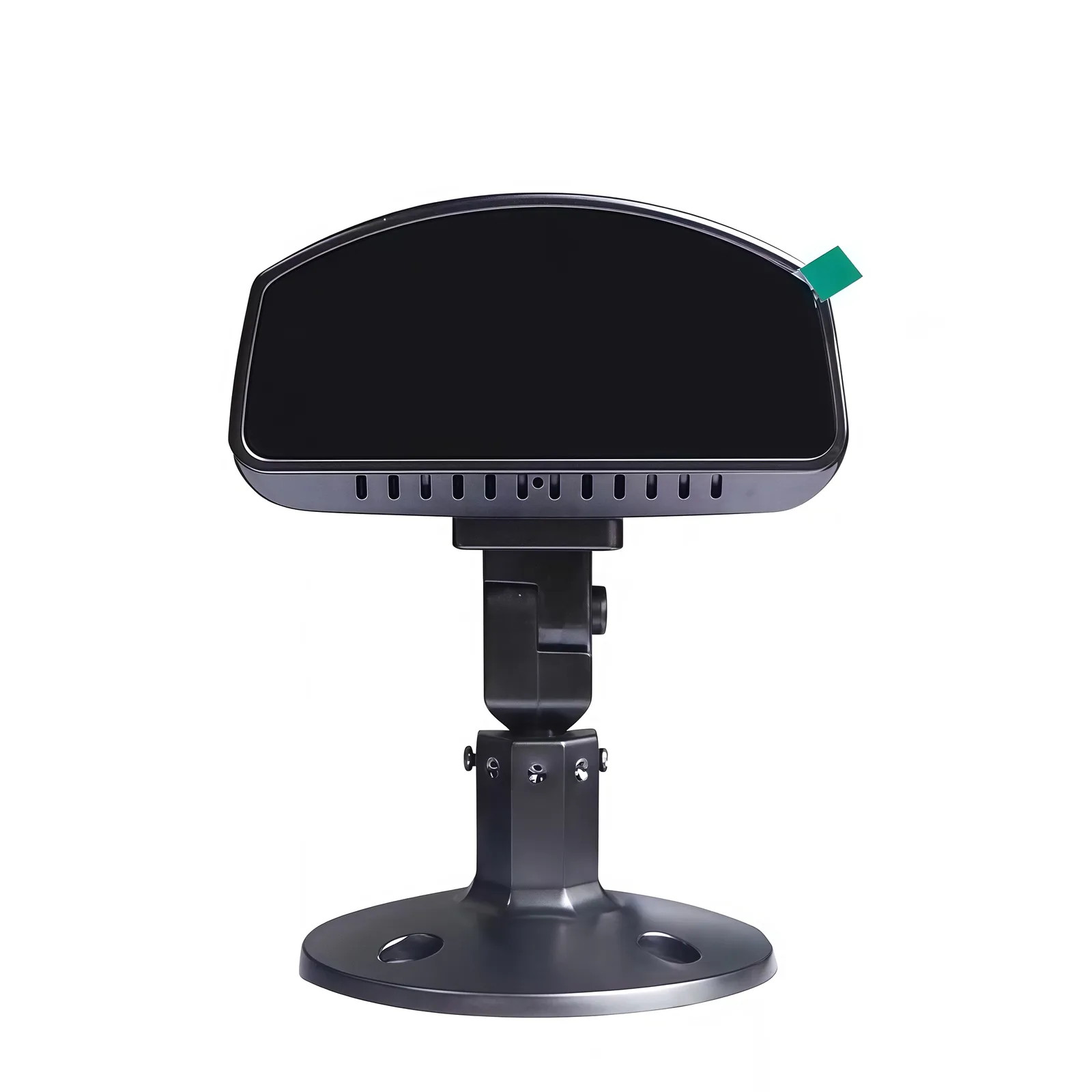
TL;DR
A 4G AI fleet recorder adds remote access, on-vehicle AI and fleet oversight over a normal dash cam. Over a cellular link it streams and archives video for managers, while on-board AI flags driver fatigue, distraction and risky events in real time, turning a passive dash cam into an event-driven management layer.
A standard dash cam does one job well: it records. A 4G AI fleet recorder moves three levels above that — it lets you reach the footage remotely, it analyses the feed on the vehicle, and it gives a manager a live oversight layer. The question is not “is it better than a dash cam” but “which parts of remote AI fleet monitoring do you actually need.”
This guide walks through what the extra layer adds and where its value depends on your setup.
From dash cam to management layer
A plain dash cam is passive evidence. A 4G AI fleet recorder, such as the YUNTOR X400 active-safety AI terminal, records high-definition video (1920×1080 with IR low-light support) and adds:
- A cellular uplink so footage can be reached and archived without pulling the card.
- On-device AI that flags driver-facing and road events in real time.
- A link to fleet management so alerts and video land where a manager or dispatcher can act.
That turns the device from “what happened” into “what is happening, and who needs to know.”
What remote monitoring really adds
Remote video. With a 4G recorder and a matching platform, a manager can view live or recent footage and locate a vehicle without visiting it. This is the core difference from a card-only dash cam.
Event awareness. On-vehicle AI flags fatigue, distraction or risky events. The value is real only if those alerts reach the right person and feed your records — so confirm the alert path as part of the package.
Local plus remote storage. A 4G recorder usually records full quality to on-vehicle storage and uses the uplink for remote access and offsite archiving. That keeps footage intact where signal is poor and the uplink as the remote layer.
Where the value depends on your setup
Three things decide whether a 4G AI recorder pays off:
- The platform it connects to — the recorder is hardware; the value lives in the fleet management platform that surfaces video, alerts and locations. Confirm what your existing software will show before specifying hardware.
- The 4G data plan — continuous streaming and archiving consume data; match the plan to how often you pull footage.
- The alert workflow — an AI event is only useful if someone sees it and acts. Define the alert-to-action path.
How 4G AI recorders serve different fleet types
The same recorder layer is used across quite different operations, and the mix of features you lean on changes with the fleet:
- Long-haul logistics fleets use the cellular uplink for live location and remote video so a dispatcher can follow trucks across regions from one screen, while driver-fatigue AI covers the night shift — the core of a fleet management camera system.
- Construction and special vehicles rely less on live streaming and more on event-triggered capture around site hazards, harsh handling and proximity risks; the recorder logs what happens on the machine and only the flagged events go over the link.
- Passenger and school buses lean on multi-channel recording for interior and exterior coverage and on remote retrieval for incident review, with the AI layer supporting driver-behavior oversight — a configuration that pairs naturally with a bus & school bus monitoring solution.
Because the recorder, cameras and detection are built by one factory on self-developed boards, the same hardware family (AI terminals & MDVR recorders) can be configured for each of these operating profiles rather than forcing a one-size-fits-all device. The concrete starting point for a two-channel setup is the X400 4G dual-channel dashcam, which records two feeds while streaming live location and video over 4G.
When to move from dash cam to 4G AI recorder
Consider the upgrade when you:
- Need to see footage without dispatching someone to pull a card.
- Operate a dispersed fleet across regions and want live oversight from one screen.
- Want driver-risk events (fatigue, distraction) surfaced automatically rather than reviewed later.
- Already run a fleet management platform the recorder can connect to.
If you only need evidence after an incident, a card-only dash cam may be enough; if you want live, event-driven oversight, a 4G AI recorder is the layer that provides it. Where driver monitoring is part of the package, the recorder pairs with a DMS & ADAS camera such as the X066 AI DMS camera to cover both the road and the driver from one install.
YUNTOR builds AI fleet terminals and recorders on self-developed boards with low-MOQ OEM/ODM options, and can advise which camera and recorder combination feeds your platform. Contact our engineers with the fleet software and data plan you run.
Looking for AI terminals & MDVR?
YUNTOR AI terminals and MDVR recorders bring edge computing and 4G fleet management to commercial vehicles — live tracking, dual-channel recording and camera-module integration on self-developed hardware.