
TL;DR
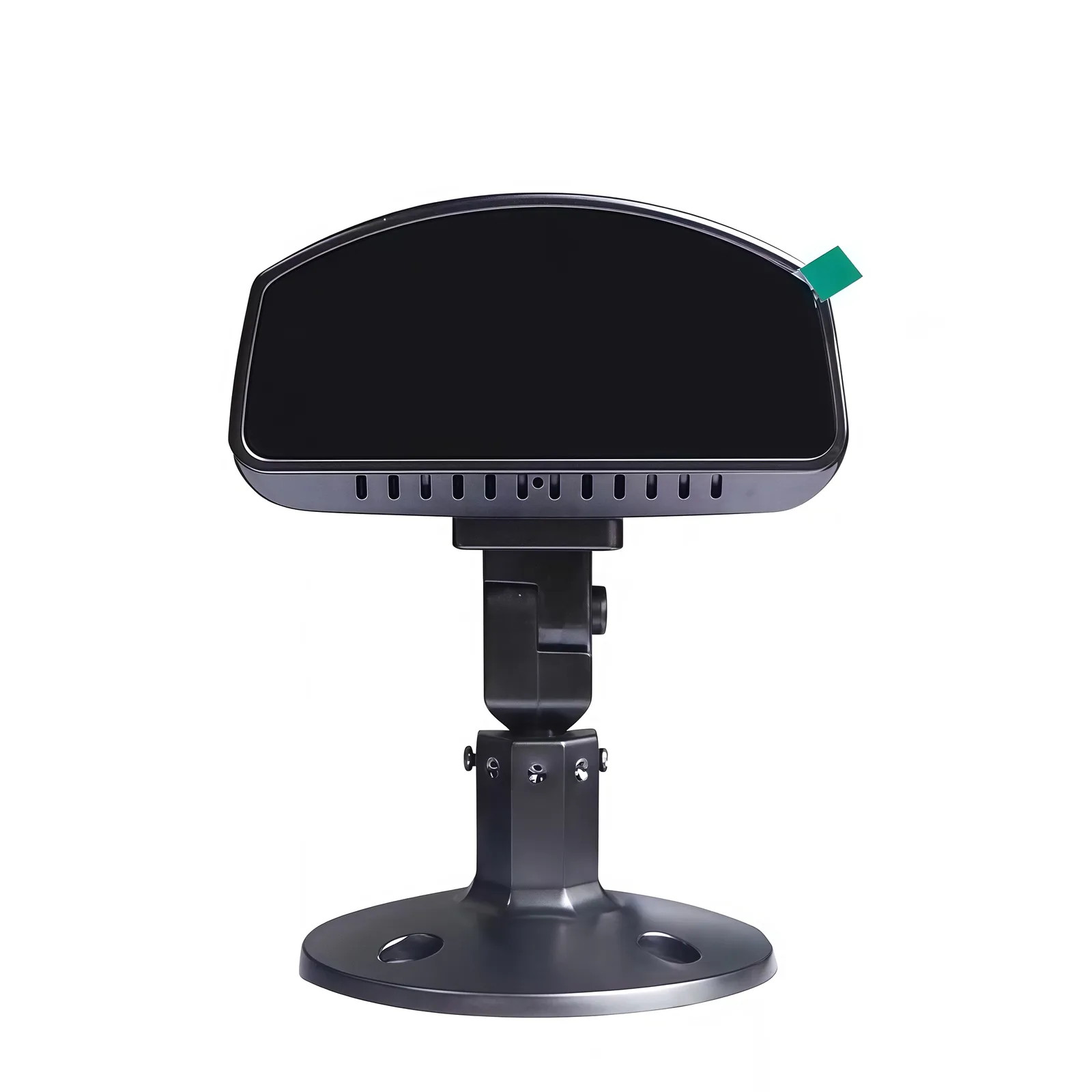
A mini DMS camera is a compact camera that fits tight in-cab space while reading the driver's face for fatigue and distraction. The specs that matter are low-light performance for night shifts, resolution to read eye state at mounting distance, and output that connects to your recorder or DMS terminal.
For fleets fitting driver monitoring on existing trucks and buses, space is often the problem: there may be no clean mount for a big camera near the driver. A mini DMS camera solves this by fitting tight in-cab positions while still giving the fatigue-algorithm a usable view of the face.
This guide covers what makes a compact driver-monitoring camera effective — because small size alone is not enough.
Why compact matters in the cab
Bus and truck cabs are cramped around the A-pillar, dash and mirror. A camera that does not fit quietly or that blocks the view is a non-starter. Compact cylindrical designs such as the YUNTOR X124 and X125 are built for these positions and can be matched to a recorder or DMS terminal that runs the detection.
The specs that make a compact DMS camera work
Low-light performance. Fatigue is a night problem, so the camera must see the driver’s face in a dark cab. The X125 offers full-color night imaging with its low-light sensor — no IR lamps needed.
Resolution at mounting distance. The face must fill enough pixels for the algorithm to read eye closure and head state. 1080p (1920×1080) is a common, capable standard; confirm it against how far the camera sits from the driver.
Output to the processor. The camera feeds the device that runs DMS — AHD to an in-cab recorder or terminal, or IP to a platform. Confirm the output matches so the fatigue event reaches the alert path.
Field of view at the compact mounting. A mini camera must still cover the driver’s face from its tight position; match the lens to the seat.
Quick reference
| Spec | What to check | Example |
|---|---|---|
| Size | Fits A-pillar/dash/mirror position | Compact cylindrical |
| Night | Low-light sensor or IR for dark cab | Low-light full-color (X125) |
| Resolution | Face detail at mounting distance | Up to 1920×1080 |
| Output | AHD to recorder or IP to platform | AHD |
Where compact DMS fits best
The compact form factor is not a downgrade — it is what lets driver monitoring reach cabs where a full-size unit cannot go:
- Taxis and rideshare are among the heaviest users: the camera sits at the mirror or A-pillar without blocking the cabin, and the interior channel doubles as incident evidence.
- Van and light-truck fleets with cramped cabs get driver monitoring on the existing recorder, so the same DMS & ADAS camera family that serves heavy trucks can be fitted to smaller vehicles.
- Bus and coach cabs use the compact mounting near the driver’s seat where space is tight, pairing driver monitoring with the wider bus safety setup.
On YUNTOR’s range the X124 and X125 mini DMS series are built for these tight positions, while the X066 and X065 driver-monitoring cameras serve standard cab layouts with AHD output. The camera feeds a recorder or AI terminal that runs the fatigue algorithm, so the same compact camera works across different vehicle classes.
Choosing for your cabs
- Confirm night imaging for your shifts.
- Match resolution and lens to the mounting distance and face size.
- Verify output connects to the recorder or terminal that runs DMS.
- Confirm the compact fit at your chosen cab position.
YUNTOR builds mini DMS and driver-monitoring cameras on self-developed boards with low-MOQ OEM/ODM options. Contact our engineers to size a compact DMS setup for your cab layout and recorder.
Looking for DMS & ADAS cameras?
YUNTOR DMS (Driver Monitoring System) and ADAS (Advanced Driver Assistance System) cameras add active safety to commercial fleets — real-time fatigue and distraction alerts plus forward-collision and lane-departure warnings. DMS models are designed for driver attention monitoring. The lineup runs from the X066 and X065 DMS driver-monitoring cameras to the X225 ADAS camera with FCWS and LDWS warnings, plus the X124 and X125 mini DMS series for compact cabs.