
TL;DR
For a DMS (driver monitoring) camera, the specs that matter are resolution for face detail, night vision (IR LEDs or a low-light full-color sensor) so fatigue detection works after dark, and lens size matched to the driver seat. Confirm it connects to your AHD recorder or IP platform and that on-device alerts reach who can act.
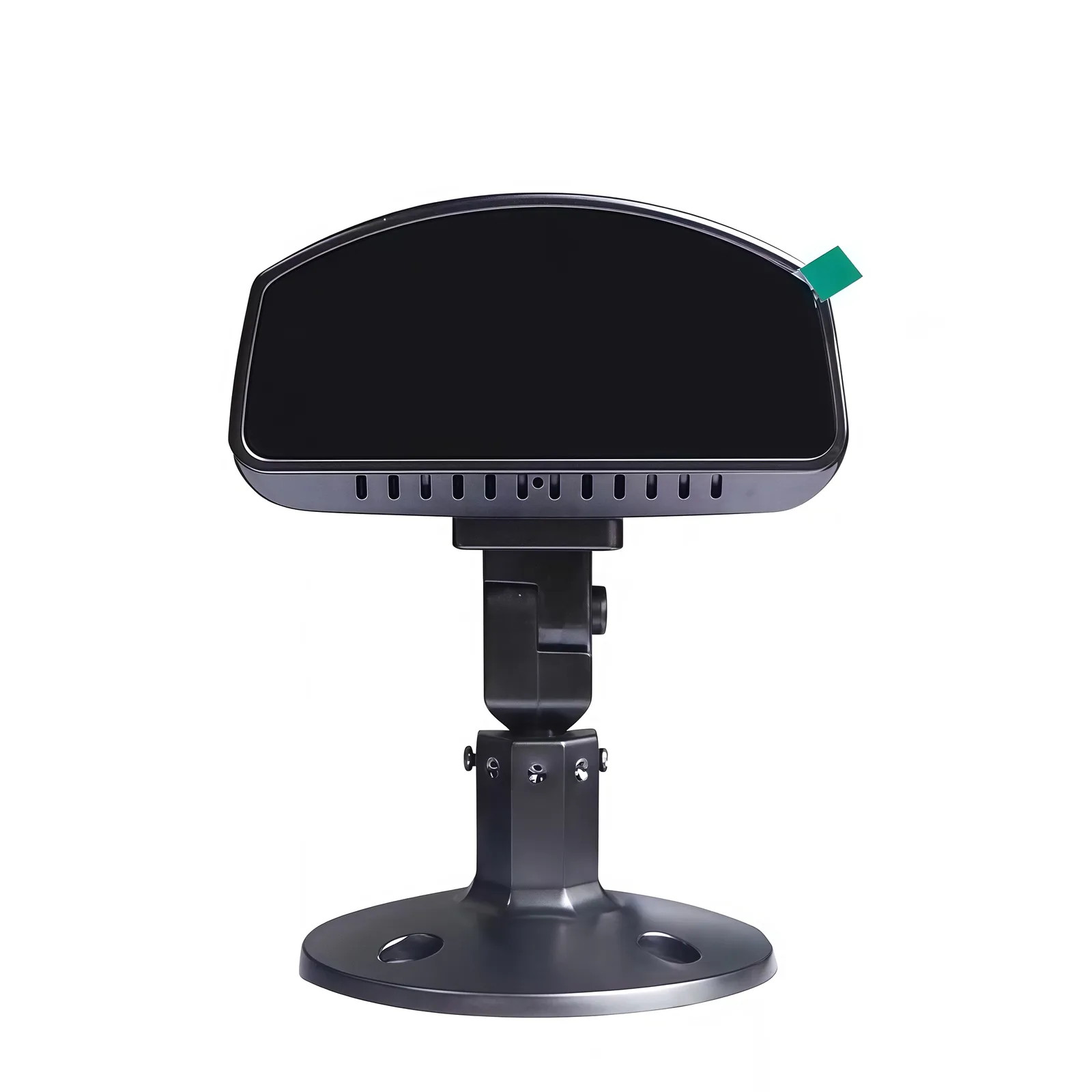
What is a DMS driver-fatigue camera? It is an in-cab driver-monitoring camera that watches the driver rather than the road and supplies face imagery to the system that detects fatigue or distraction. That makes a different set of specs matter than for a forward or reverse camera — especially night performance, because fatigue events cluster after dark.
This guide is written for procurement: which DMS specs decide whether the system actually works in your fleet.
Why driver monitoring is a night problem first
Fatigue is most likely on night shifts, long monotonous highway stretches and after-hours driving. A DMS camera that cannot see the driver’s eyes in a dark cab is a camera that misses the very event it exists to catch. Low-light performance is therefore the first spec to check.
Two approaches:
- IR LEDs add active infrared so the face stays lit at night. The YUNTOR DMS models X066 and X065 both use IR for low-light driver imaging.
- A low-light full-color sensor with a wide aperture images the face in near-darkness without IR. X125 keeps full color in dim conditions with its low-light sensor.
Choose based on whether your cabs run truly dark at night.
The specs that decide a DMS camera
Resolution — enough for face detail
The camera must resolve eye closure and head position from its mounting point. On the YUNTOR range: X066, X065 and the X125 mini DMS series all image at 2.0M. Match resolution and mounting distance so the face fills enough pixels for the algorithm.
Field of view and lens
The lens must cover the driver’s face where the camera sits. Confirm the field of view reaches the seat, and check the lens + sensor combination so the face is sharp at working distance.
Output — feeds the alert system
DMS cameras output to the recorder or edge terminal that runs detection and forwards alerts:
- AHD (X066, X065, X125) connects to an in-cab recorder that runs the DMS algorithm.
- IP goes over the network to a fleet platform.
The output must match your existing recorder, or the camera records to nowhere while the fatigue event goes unseen.
Mechanical fit
Confirm the housing, connector (4-Pin aviation is common) and mounting bracket fit the cab layout, and the operating temperature covers your environment.
Quick reference: YUNTOR DMS driver cameras
| Model | Resolution | Night imaging | Output | Notes |
|---|---|---|---|---|
| X066 | 2.0M | IR LEDs | AHD | Long-stay night mode |
| X065 | 2.0M | IR LEDs | AHD | Metal housing |
| X125 | 2.0M | Low-light full-color | AHD | In-cab, mini DMS series |
Procurement checklist
- Confirm night operation — IR or low-light sensor for your shifts.
- Match resolution and lens to mounting distance and face detail.
- Verify output connects to the recorder/platform that delivers the alert.
- Check mechanical fit (connector, bracket, temperature range).
YUNTOR builds DMS cameras on self-developed boards with low-MOQ OEM/ODM options, covering the X066 and X065 driver-monitoring cameras and the compact X124 and X125 mini DMS series. Driver monitoring is typically specified as part of a fleet management solution or a bus & school bus setup. To size a fatigue-monitoring package that actually sees your drivers at night, send your cab layout and shift patterns to our engineers.
Looking for DMS & ADAS cameras?
YUNTOR DMS (Driver Monitoring System) and ADAS (Advanced Driver Assistance System) cameras add active safety to commercial fleets — real-time fatigue and distraction alerts plus forward-collision and lane-departure warnings. DMS models are designed for driver attention monitoring. The lineup runs from the X066 and X065 DMS driver-monitoring cameras to the X225 ADAS camera with FCWS and LDWS warnings, plus the X124 and X125 mini DMS series for compact cabs.